

Organizational Chart
- Introduction
- National Court Administration
- Judicial Research & Training Institute
- Judicial Policy Research Institute
- Training Institute for Court Officials
- Supreme Court Library
- Sentencing Commission
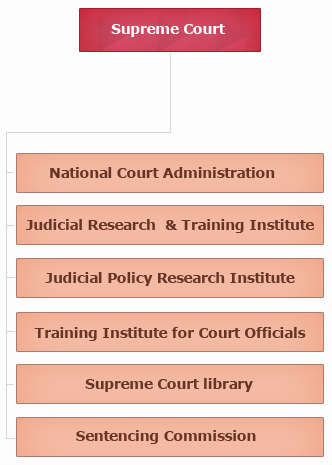
In accordance with the Court Organization Act, the National Court Administration, the Judicial Research and Training Institute, the Training Institute for Court Officials, the Supreme Court Library and the Sentencing Commission are established under the Supreme Court to conduct its non-adjudicatory functions.
Affiliate Organizations
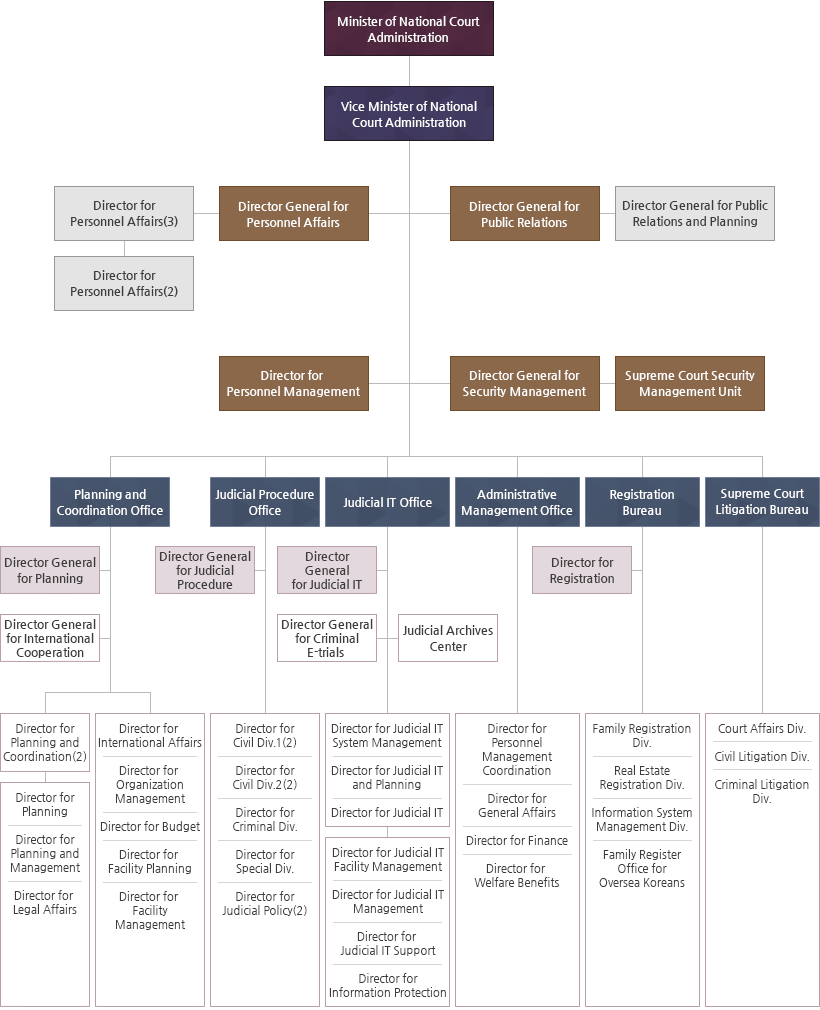
The National Court Administration (NCA) is an internal organization responsible for overseeing the administrative affairs of the Korean judiciary under the direction and supervision of the Chief Justice. The Chief Justice appoints both the Minister and the Vice Minister. The Minister is selected from among the Justices, while the Vice Minister is typically a chief judge. The Minister of the NCA, a Justice of the Supreme Court, oversees all administrative matters related to the judiciary, with the Vice Minister assisting in these duties. Currently, the NCA consists of four offices and two bureaus: the Planning and Coordination Office, the Judicial Procedure Office, the Judicial IT Office, the Administrative Management Office, the Registration Bureau, and the Supreme Court Litigation Bureau. Additional positions include the Director General for Personnel Affairs, the Director for Personnel Management, the Director General for Public Relations and the Director General for Security Management.
The Planning and Coordination Office administers court activities related to planning and coordination for judicial operations, international affairs, judicial information system management and development, request, allocation, and execution of judicial budgets, organization reforms, and court facilities management. The Judicial Procedure Office is responsible for developing improvement plans related to judicial policies and trial systems, and it also establishes and revises relevant regulations. The Judicial IT Office sets judicial IT policies, budgets, and contracts and manages and develops judicial information networks. The Administrative Management Office executes general administrative affairs, including Supreme Court facility management, finance, and human resources management. The Registration Bureau administers real estate and corporation registration, family relations registration, and deposit. The Supreme Court Litigation Bureau receives cases, manages case records, and supervises court officials in courts of all levels. The Director General of Personnel Affairs handles personnel matters of judges, and the Director of Personnel Management handles personnel matters of court employees. The Director General of Public Relations manages the public relations of the judiciary, and the Director General of Security Management develops comprehensive plans in case of a state emergency.
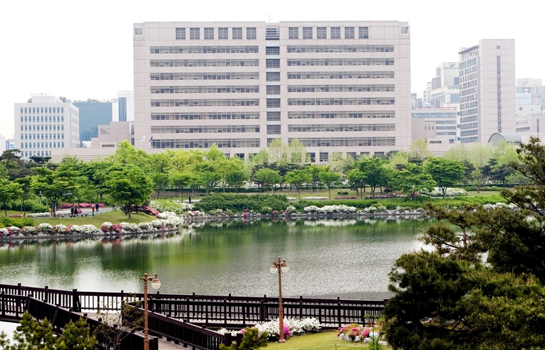
Since its establishment in 1971, the Judicial Research and Training Institute (JRTI) has focused on educating judges and judicial trainees. The President is appointed by the Chief Justice from among judges of High Court Chief Judge rank, and the Institute’s faculty is composed predominantly of sitting judges.
The Institute offers training programs for judges and newly appointed judges with legal experience, as well as various programs for judicial researchers and assistant officials. These programs equip participants with the necessary skills and values for effective performance. Additionally, the JRTI publishes practical guidelines for trials, supports other educational programs, and conducts legal education projects to raise public awareness of justice. The International Judicial Cooperation Center (IJCC), established in 2013 under the JRTI, focuses on capacity-building projects for developing nations, training programs for foreign judges, and collaborations with international judicial training institutions.
Further details can be found on the JRTI website.
(https://jrti.scourt.go.kr/jrti_eng/Main.work)
(https://jrti.scourt.go.kr/jrti_eng/Main.work)
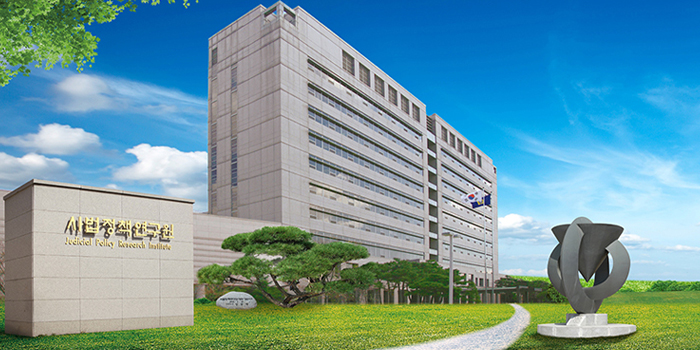
The Judicial Policy Research Institute (JPRI), established in 2014, aims to enhance the efficiency and effectiveness of judicial and trial systems. Composed primarily of judges, the Institute conducts research projects that inform and influence the future direction of the judiciary. The JPRI regularly publishes these studies and consists of four divisions: the Future and Unification Judiciary Center, the Integrated Judicial Center and Legal Education Center, the Foreign Judicial Center, and the Judicial System Center. Additionally, the JPRI frequently hosts seminars, symposia, and international conferences on pertinent judicial policymaking issues.
Further details can be found on the JPRI website.
(https://jpri.scourt.go.kr/main.do?lang=en)
(https://jpri.scourt.go.kr/main.do?lang=en)

Established on September 1, 1979, the Training Institute for Court Officials (TICO) is responsible for planning and providing training and development programs for court officials, enforcement officers, and other judiciary staff as deemed necessary by the Chief Justice.
TICO offers three main training programs: the Training Education Program includes leadership training for Chiefs, newly appointed Directors, current Directors, court officials promoted to Grade V, training for the Director of the Criminal Affairs Division, and other specialized training; the Job Training Program provides introductory and professional courses for court officials; and the Special Training Program focuses on theoretical and information technology training.
Further details can be found on the TICO website.
(https://edu.scourt.go.kr/main/new/Main.work)
(https://edu.scourt.go.kr/main/new/Main.work)
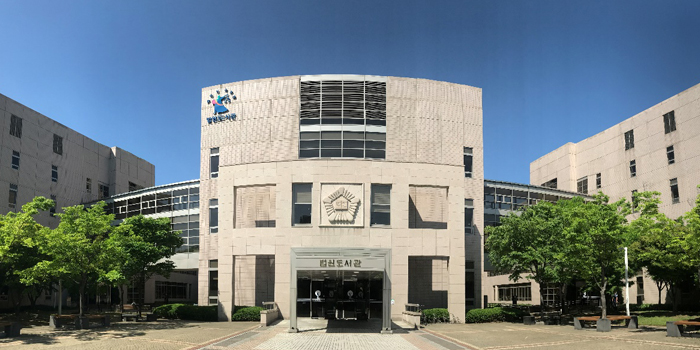
The Supreme Court Library manages and facilitates access to judicial resources for research purposes, including judicial decisions, statutes, legal materials, and historical data. In 2018, the Court Library relocated from the Supreme Court building to the JRTI building in Ilsan, where it opened Beopmaru to expand nationwide service. The library offers an extensive collection of 500,000 volumes across two locations: the main Beopmaru space in Ilsan and the Supreme Court Reading Room branch. Furthermore, under the Court Library's supervision, nationwide court libraries collectively hold approximately two million volumes, ensuring comprehensive legal research and scholarship resources.
Further details can be found on the Supreme Court Library website.
(https://library.scourt.go.kr/eng/main)
(https://library.scourt.go.kr/eng/main)
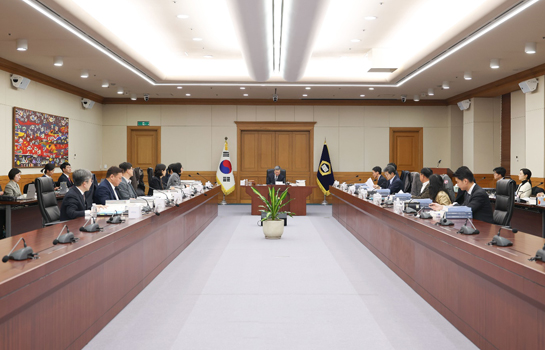
The Sentencing Commission is an independent body affiliated with the Supreme Court, established on April 27, 2007. Its primary objective is to ensure a fair and impartial sentencing process perceived as free from bias. The Commission is responsible for creating or modifying sentencing guidelines, researching relevant sentencing policies, and deliberating on these matters.
Further details can be found on the Sentencing Commission website.
(https://sc.scourt.go.kr/sc/engsc/index.jsp)
(https://sc.scourt.go.kr/sc/engsc/index.jsp)

